Viewing entries in
Maturity

Small Group Toolbox - Ep 1 Where's your heart at with small group this year?

Comment

Small Group Toolbox - Ep 1 Where's your heart at with small group this year?

Listen on spotify

Transcript:

Hey there and welcome to the small group toolbox podcast that I'm starting. This is the first episode and great to have you here. I'm hoping you're listening because you're interested in becoming a better small group leader or learning about small group leading. Today in this first episode, I want to just talk about having a positive attitude as we head into small group leading. After I'm recording this, it's summer, it's Christmas, we're at a bit of break. You can see the Nativity set behind me.

if you're watching on the video. And it's a time of thinking about what's coming up. Now for some of you, you might be really positive about this. Perhaps you're starting group leading for the first time and you're thinking, yeah, can't wait to get into it. Really pumped, really looking forward to small group leading. Other people, whether it's first time or not, you may be a little negative, like a little pessimistic, like, oh, now how's it gonna be? Is it gonna be difficult? Am I up for this? Can I do it? All those kind of questions.

and you might not be feeling so great about heading into it. And this is a really normal thing for small group leaders, a really common, so nothing to worry about having emotions, either positive or negative, going into small group leading. But things to do, I think, is to bring the gospel into your thinking and feelings about the ministry ahead, about small group leading. Bring some Bible truths to bear on wherever you're at. Now I've been going through this a little bit. I've been thinking about,

Okay, small groups coming up. There's a few uncertainties, bit of ambiguity. I'm not so sure about some people maybe not rejoining my group this year. So I've got a mixture of things. So what I've done is just spent a little bit time on a Bible verse that I love and I've been thinking a bit through in this last year and that is Philippians 1.18. And this is where Paul's talking about his ministry, what it's like in jail and what his hopes and thoughts are. But he says, talking about preaching the gospel, he says, one verse 18, but what does it matter? The important thing is that in every way, whether from false motives or true, Christ is preached and because of this, I rejoice.

Now, I just love that I find helpful things in there. What I see there is that Paul, he finds his joy in the proclamation of Christ. That's what it says. Christ is preaching because of this I rejoice. I find that challenging. Where's my joy? Where do I find joy? Not necessarily in the preaching of Christ. I think there's some change that needs to happen in me. But imagine that finding my joy in the preaching of Christ. What would that mean for small group leading? Well, that means that, no matter how small group goes this year,

If Christ is preached, then that's a reason for joy. And sure, I might not be the best small group leaders, I've got weaknesses, there's things I'm worried about, but Christ is preached.

I will find my joy there. And what does that mean? Well, that means I'm going to go in there. I'm to make sure that we talk about Jesus each week at Small Group. And I can do that. I can open the Bible. I can point to the sections that show us Jesus, the Old Testament, New Testament connections. The Bible states will help me with that. I can, you we can think and talk about Jesus every week in Small Group. That's something I can do. And that means that's great. Like I can rejoice in that. Like Paul does. He fills in with great joy to see that Christ is preached.

So that helps me think more positively and optimistically about going in a group this year. And I think that's something you can do as well. You could be from this verse or it could be another verse that is from your regular Bible reading. So as you do your regular Bible reading over the summer, you're looking for verses that will help encourage you and think biblically about small group leading. Or it just could be some favourite verses from your Christian life.

How do those verses encourage you, help you bring optimism and confidence going into small group bleeding? Could be about like, the sovereignty of God, that God is in control. Could be in the power of Jesus, could be in the Holy Spirit at work, could be in the community of God's people, the body of Christ. All those kind of things can help bring positivity and hope and optimism into your small group leading. And it's probably worth saying that if you are already optimistic, the Bible can again help you be grounded as you head into small group ministry. So, you you need to watch out perhaps maybe your confidence in small group leading is that you are going to be the best small group leader ever. You're going to not make any of the mistakes that your previous small group leaders have made. You're going to get it right all the time and things are going to be wonderful. Maybe you just need to sort of temper that a little bit from your reading of scripture, that the power of a healthy small group ministry is not in us, but is in Christ. And you can see here from the Philippians verse that I've looked at, that the power here, rejoice not that he's great at ministry, but that is Christ is preached. And so it can help you to remember that even if things don't go so well, or if you'll know that if Christ is preached, there'll be a healthy gospel small group ministry. So yeah, even if you're super positive, just is a good Bible stuff there to help shape and correct your approach to small group this year.

So I think these are good things to be thinking about. As I think about some conversation I've been having around church, a couple of people were not heaps, were a little nervous about what would happen with the small group, a little worried about conflict or neediness among group members. And what I said is, yeah, you've just got to go in really positive. You've got to think this is going to be a great year. It's going to be a best year ever for group leading and to have that confidence undergirded by some great cross-border truers.

So what is it for you? What are you thinking about there with a small group? What's your attitude? Positive, negative, a mix of everything? What Bible truths, what doctrine truths can you bring into your thinking and your feelings to help get off to a great start as you look forward to group leading this year? That's all I wanted to say for now, but yeah, hope that's helpful and I'll look forward to seeing you next podcast.

Comment

Christian Dating Part 1:  How should we think about dating?

Comment

Christian Dating Part 1: How should we think about dating?

By Greg Lee

Christians live in a world where thinking differently can be a challenge. We want to please God, yet we often find ourselves making the same mistakes as everyone else. When it comes to dating, it’s easy to create a long list of rules and expectations. But the key is not rules—it’s principles. We need to start with what the Bible says.

Before diving into practical advice about dating, it is essential to consider how Christians should think about marriage and dating. Our thoughts shape our actions, and grounding our thinking in Scripture will help us navigate dating in a much better way. In this article, we will explore three crucial areas: 1. What God is like (especially in Christ) 2. What marriage is 3. How Christians should think about dating in light of God’s design. Part 2 of this series will look about putting these principles into practice.

1. What God Is Like (Especially in Christ)

Understanding God’s character is fundamental for healthy relationships. Three aspects of God’s nature—His sacrificial love, faithfulness, and purity—guide us towards a number of big principles.

a. God Is Sacrificially Loving

God’s love is not self-serving; it is sacrificial. Jesus modeled this perfectly:

“For even the Son of Man did not come to be served, but to serve, and to give his life as a ransom for many.” Mark 10:45

“My command is this: Love each other as I have loved you. Greater love has no one than this, that he lay down his life for his friends.” John 15:12–13

Big Principle 1: Go out for their sake, not yours. Relationships are primarily about serving the other person. Instead of asking, “Will they be good for me?” ask, “Am I good for someone else?” The goal is not to find the right person but to become the right person. Church is not a dating service— we shouldn’t be using church to find a boyfriend or girlfriend. Church is about growing, and if that helps us become a more godly potential partner, that’s a good thing.

Big Principle 2: Be straightforward and honest, not ambiguous. Christians are called to serve, not boost our own ego. Be clear about your intentions. Never flirt to test someone’s feelings or for personal validation.

Big Principle 3: Serve even in breaking up. Most dating relationships do not end in marriage. A breakup is not failure—it is part of learning. But serve the other person by minimizing pain: don’t waste their time by prolonging it. Don’t be cowardly and manipulate the other person to be the one to do it.

It will help if you have avoided overpromising while dating and have avoided inappropriate intimacy.

b. God Is Faithful

God is faithful to His promises, as seen throughout Scripture:

“I have indeed seen the misery of my people in Egypt. I have heard them crying out because of their slave drivers, and I am concerned about their suffering. So I have come down to rescue them from the hand of the Egyptians and to bring them up out of that land into a good and spacious land, a land flowing with milk and honey—the home of the Canaanites, Hittites, Amorites, Perizzites, Hivites and Jebusites.” Exodus 3:7–9

The lifelong nature of marriage reflects God’s faithfulness.

Big Principle 4: Date in a way that reflects God’s faithfulness. When dating, we should mirror God’s faithfulness by keeping our commitments and dating only one person at a time. Casual dating has nothing in common with God’s faithfulness. It teaches us to treat relationships like a game where we avoid commitment and jump from relationship to another. All this increases the chance of people being hurt. Take it slowly, and treat relationships seriously as a preparation for potential lifelong marriage.

c. God Is Pure and Perfect

God calls His people to purity:

“But just as he who called you is holy, so be holy in all you do; for it is written: ‘Be holy, because I am holy.’” 1 Peter 1:15–16

“Flee from sexual immorality. All other sins a person commits are outside the body, but whoever sins sexually, sins against their own body.” 1 Corinthians 6:18

“And now, dear lady, I am not writing you a new command but one we have had from the beginning. I ask that we love one another. And this is love: that we walk in obedience to his commands.” 2 John 1:5–6

Big Principle 5: Treat them as your brother or sister, not your spouse. Maintain absolute purity in relationships.

“Do not rebuke an older man harshly, but exhort him as if he were your father. Treat younger men as brothers, older women as mothers, and younger women as sisters, with absolute purity.” 1 Timothy 5:1–2

The danger is not singleness but sin. Avoid behaviors that compromise spiritual or sexual integrity. Couples tend to take breaking up off the table and instead try to figure out how to manage sin. Why not break up if sin is a problem? Do everything it takes to be pure.

2. What Marriage Is

Understanding marriage clarifies the purpose of dating. Marriage is designed by God as:

a. Between a man and a woman

“Some Pharisees came to him to test him. They asked, ‘Is it lawful for a man to divorce his wife for any and every reason?’ ‘Haven’t you read,’ he replied, ‘that at the beginning the Creator “made them male and female,” and said, “For this reason a man will leave his father and mother and be united to his wife, and the two will become one flesh”? So they are no longer two, but one flesh. Therefore what God has joined together, let no one separate.’” Matthew 19:3–6

Jesus points us back to Genesis 1 and 2. God created humanity in his image: male and female. Eve is created as Adam’s counterpart.

b. Between individuals who are not closely related

In Genesis 2 we see that a man is to leave his own family to marry (Gen 2:24). The principle is also in Leviticus:

“No one is to approach any close relative to have sexual relations. I am the LORD. Do not dishonor your father by having sexual relations with your mother… Do not have sexual relations with your sister, either your father’s daughter or your mother’s daughter, whether she was born in the same home or elsewhere…” Leviticus 18:6–16

c. Joined together by God

Marriage is not merely a human arrangement but a divine union.

“So they are no longer two, but one flesh. Therefore what God has joined together, let no one separate.” Matthew 19:6

d. For life,

Divorce is a complex topic, but the clear expectation of marriage in the Bible is that it is for life.

e. Public

Marriage is a public thing so everyone knows the new relationship and family that now exists. We see that in Jacob’s marriage (not that this was all smooth sailing)

“So Laban brought together all the people of the place and gave a feast. 23 But when evening came, he took his daughter Leah and brought her to Jacob, and Jacob made love to her. 24 And Laban gave his servant Zilpah to his daughter as her attendant.” Genesis 29:22–24

For this reason it is wrong to just move in together and call it marriage. Eloping is also a bad idea.

d. Covenantal

In marriage you make promises and enter a covenant with another person.

“You ask, ‘Why?’ It is because the LORD is the witness between you and the wife of your youth. You have been unfaithful to her, though she is your partner, the wife of your marriage covenant.” Malachi 2:14

e. Reflecting God in the Trinity

God is relational in Trinity.

“Then God said, ‘Let us make mankind in our image, in our likeness…’ So God created mankind in his own image, male and female he created them.” Genesis 1:26–27

Marriage likewise is about unity and relationship.

f. Reflecting Christ and the Church

“Wives, submit yourselves to your own husbands as you do to the Lord. For the husband is the head of the wife as Christ is the head of the church, his body, of which he is the Savior. Husbands, love your wives, just as Christ loved the church and gave himself up for her to make her holy, cleansing her by the washing with water through the word, and to present her to himself as a radiant church, without stain or wrinkle or any other blemish, but holy and blameless. In this same way, husbands ought to love their wives as their own bodies.” Ephesians 5:22–28

The final marriage is really Christ and his church (Rev 19:9; 21:2, 2 Cor 11:2

Marriage should reflect Christ and the church. We ought to look for someone we can present to Christ as holy, and likewise someone who cares enough for you to present you holy to him.

Big Principle 6: Only date and marry a Christian.

“A woman is bound to her husband as long as he lives. But if her husband dies, she is free to marry anyone she wishes, but he must belong to the Lord.” 1 Cor 7:39

Don’t go out with a non-Christian. In fact, don’t go out with an immature Christian. Don’t think that he (it’s usually a he) will change after you have started going out. The relationship always moves towards the youngest Christian’s habits.

Choose a person who is easy to follow and is to lead and present to Jesus.

Big Principle 7: Godliness matters more than physical attraction. Beauty and attraction is a gift from God so it is good to find the other person attractive, but don’t make beauty your number one priority. Inner beauty is more important and long-lasting. Attraction is flexible and elastic and there is a good chance your attraction will grow during marriage.

3. So What Is Dating?

The Bible does not explicitly describe “going out” as modern culture does. Historically, there was betrothal or engagement—a formal arrangement prior to marriage (see the example of Joseph and Mary in Matthew 1:18-25). Dating, as we know it, is largely cultural.

Dating is a period for two single people to get to know each other, discern whether marriage would be good idea, and grow in godliness, while maintaining the freedom to end the dating relationship if needed.

The Bible’s only two real categories are married / single. If you’re dating, really you’re still single. This is different to how we think. We tend to see dating as like “practice marriage”. So we spend loads of time together, doing marriage-type things and making each other fall in love. This is very unwise and can easily lead to sexual immorality.

Here is my definition of dating:

Dating is two single people who are not joined by God and do not yet reflect the Trinity because there is no lifelong commitment, being close friends, trying to figure out if they should marry, with the option of ending the dating relationship.

Big Principle 8: The goal of dating is to marry well or end well. Do not begin a relationship without considering marriage as a realistic goal. Dating is not for entertainment or emotional experimentation—it is about serving the other person, helping them grow and working out where this is heading.

You don’t need to be 100% ready to marry RIGHT NOW, but it needs to be a realistic option in the not too distant future.

Conclusion

Thinking about dating from a biblical perspective requires aligning our hearts and minds with God’s character and His design for marriage. By understanding God’s sacrificial love, faithfulness, and purity, and by recognizing the purpose and nature of marriage, Christians can approach dating wisely. Our goal is not simply to find love, but to reflect Christ in our relationships and prepare ourselves—and others—for the lifelong covenant of marriage.

Note: This article was adapted from a seminar with the help of AI

Photo by Cezar Sampaio on Unsplash

Comment

Christian Dating Part 2: How Christians should act in dating

Comment

Christian Dating Part 2: How Christians should act in dating

by Greg Lee

Understanding how Christians should think about dating lays the foundation, but action is where wisdom meets practice. Applying biblical principles in real-life relationships is essential to honor God and protect both yourself and the person you are dating.

Dating can be understood in four phases: choosing, starting, going out, and being engaged. What follows comes from the principles in Part One of this series, and my own experience of pastoring over the past 25 years.

1. Choosing

The first step in dating is choosing wisely. Choosing the right person is not about chemistry or convenience—it is about godliness, character, and spiritual alignment.

  • Look for a servant-hearted person. Observe how someone treats others, not just how they treat you. Service demonstrates love and humility.

  • Look for a person committed to sexual purity. They should be committed to godliness. They are godly online, probably making use of accountability tools if necessary.

  • Observe in community. The best way to know someone is to watch them interact in groups, not just in private dates where we are on our best behaviour.

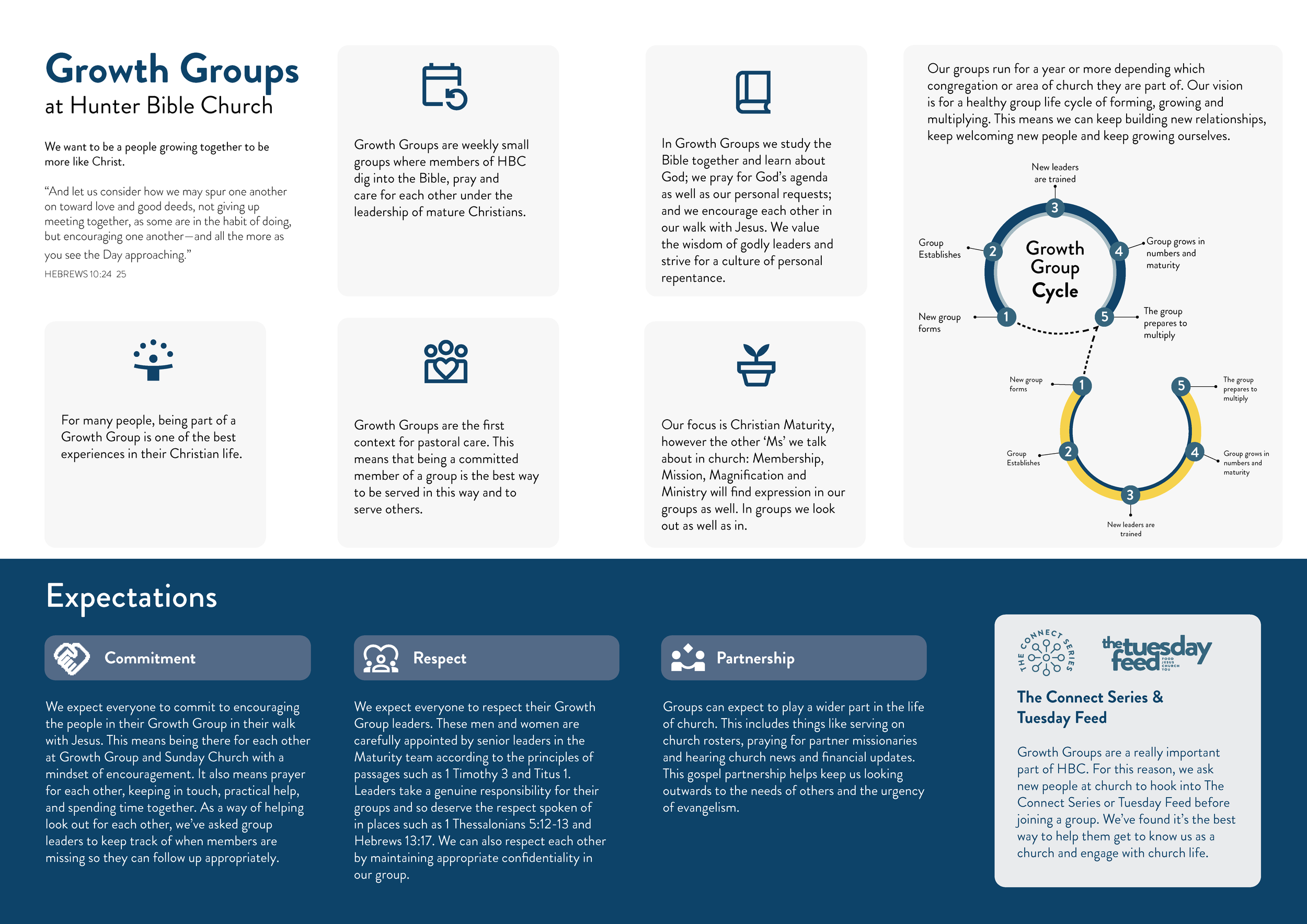
A brief comment: Why not place couples in the same Growth Group? Because breakups happen, and we do not want relational issues to affect the larger church community. Being in different groups also helps with personal spiritual growth and developing accountability and support networks.

2. Starting

Once you have got a person in mind, the next step is starting the relationship with clarity.

  • Be clear about intentions. Both parties should understand why they are entering the relationship.

  • Initiate wisely. This will often be the responsibility of the guy. It’s good for him to take the risk. While it is not wrong for a woman to ask a man out, long term the pattern of the relationship should reflect biblical principles.

3. Going Out

Dating, or “going out,” is distinct from marriage and should reflect that reality.

a. Remember you are not married

Most going out relationships end in breakups rather than marriage. You don’t want to ruin a good friendship by your dating conduct. It can be helpful to think that you are dating someone else’s future spouse, so therefore act with respect, purity, and integrity.

b. Build the relationship slowly

The strongest foundation for marriage is friendship. Avoid romantic gestures or intimacy that promise more than the relationship can deliver. If we make someone fall desperately in love with us that makes the break up much harder.

c. Avoid exclusivity too soon

  • Don’t spend all your spare time together.

  • Avoid sitting together at church consistently. Serve the broader community.

  • Be very careful about public displays of affection, that can be very discouraging to others at church who would like to be engaged but can’t.

d. Set boundaries around Bible study and prayer

Bible reading and prayer is good but it can lead to accidental powerful emotional and physical intimacy. Keep reading and prayer to public places and err on the formal side.

e. Treat each other like brothers and sisters

Absolute purity is essential. Set the boundary not at what you do but what leads to arousal. Avoid being alone in rooms or houses, prioritize walking, talking, and group activities, and be conscious of how non-Christians perceive the relationship. They will easily assume more than you think.

f. Know where you stand

Regularly assess your relationship’s direction:

  • Why aren’t we married yet?

  • What issues need resolution?

  • What are our strategies and time frames?

If the relationship stagnates, make a decision to either get engaged or break up. Ambiguity leads to confusion, temptation, and unnecessary heartache.

4. Being Engaged

Engagement is a transitional period where dating evolves toward lifelong commitment.

  • Engagement is good but can amplify sexual temptation. Marriage is a good strategy for sexual temptation (see 1 Cor 7:2) but engagement is a tempting time. You are more committed, more connected and therefore more tempted. Recommit to purity, the blessing of waiting, and take extra care.

  • Keep the engagement period short. A smaller, shorter wedding is better than prolonging temptation and uncertainty.

  • Practical considerations. Graduation, employment, or finances should not prevent marriage. Remember Matthew 6:25-34 and God’s provision.

  • Use the wedding for Christ. Let the ceremony glorify Christ more than you. Don’t be caught up in worldly expectations, including how much money you spend. If you think your parents will want too big a say then take the financial hit to preserve your control. Make sure the gospel is preached at the wedding.

Finally, consider staying single for the Gospel if marriage is not immediately possible. Singleness is good, probably better, according to 1 Corinthians 7.

Conclusion

Acting on biblical principles in dating requires deliberate choices at every stage. From choosing the right person to navigating engagement, Christians are called to reflect God’s character—His sacrificial love, faithfulness, and purity—in their relationships.

Dating is not about personal gratification or experimentation. It is about preparation for marriage, serving others, growing in godliness, and honoring God. By following these guidelines, young adults can date wisely, love responsibly, and prepare for marriages that glorify Christ.

Note: This article was adapted from a seminar with the help of AI

Photo by Cezar Sampaio on Unsplash

Comment

Book Review: Radical

Comment

Book Review: Radical

Radical is one of those books you might feel a bit nervous about picking up. The blurb states that author, David Platt “challenges you to consider with an open heart how we have manipulated the gospel to fit our cultural preferences. He shows what Jesus actually said about being his disciple—then invites you to believe and obey what you have heard”. My heart’s already beating a bit faster.

The main premise of this book is that Christians (and he is addressing American Christians in particular) have allowed the gospel to become influenced and even corrupted by the ideals of the great American dream — financial success and security, career and personal happiness. And much as I’d like to think it doesn’t apply to the Australian context, I have a sneaking suspicion that it does. Those goals and ideals — financial security, success and personal happiness and satisfaction — are very close to the Australian heart (and my heart) and therefore the church in Australia is liable to be influenced by them.

And so with a rising sense of discomfort, I begin to read. Initially, I’m a little wary — I’ve seen Christian books with titles like these in the past which have promised to unlock some special new way of relating to God by practising a secret formula that the author has discovered. Like a Christian version of The Secret. My fears on this account are unfounded. Platt spends a large part of his book preaching the gospel. Nothing new and no special revelation hitherto unknown. He spends a lot of time dwelling on our sin, God's consequent wrath, and therefore our desperate need for Jesus. In fact, it appears that by devoting several chapters to what the gospel actually is, he is trying to help us see how earth-changing the implications are. It is the magnitude of God's saving work in Jesus that should lead us to a radical faith in him, “This is why you and I cannot settle for anything less than a God-centred, Christ-exalted, self-denying gospel”.

My other fear, however — that I might be called upon to consider my comfortable life and how I might abandon this to Christ — is well-founded. And once again Platt points us to the Scriptures. For example, in Luke 9 Jesus reminds his would-be followers that they are signing up for a life of sacrifice and hardship, and that even returning to bury the dead or say goodbye to loved ones is not an option. Again and again, he shows his readers that Jesus' call to follow him is not an easy or comfortable one. In fact, it means death — death to self as we take up our cross. He summarises Jesus' call to his disciples this way:

“Ultimately, Jesus was calling them to abandon themselves. They were leaving certainty for uncertainty, safety for danger, self-preservation for self-denunciation. In a world that prizes promoting oneself, they were following a teacher who told them to crucify themselves.”

I think his point is well-made. As much as the gospel is good news, and we should rejoice in forgiveness and eternal life, following Jesus does involve sacrifice, abandonment of self, persecution and hatred. If we deny this, we deny the Lord who saved us.

Here is the danger of distorting the gospel as he puts it:

“We are giving in to the dangerous temptation to take the Jesus of the Bible and twist him into a version of Jesus we are more comfortable with.

“A nice, middle-class, American Jesus. A Jesus who doesn't mind materialism and who would never call us to give away everything we have. A Jesus who would not expect us to forsake our closest relationships so that he received all our affection. A Jesus who is fine with nominal devotion that does not infringe our comforts, because after all, he loves us just the way we are.”

Platt is also deeply passionate about obedience to the great commission. He argues that it is the role of every Christian, one way or another, to make disciples of all nations. Billions of people have never even heard of Jesus, so how can we in the west, which has had the gospel for millennia, ignore the fact that these people are going to hell? We must get involved in some way, both as individuals and churches and this goes hand-in-hand with giving to the poor. Platt deplores the way churches spend millions on their own buildings and resources and yet give comparatively little to the church in the developing world. This may feel a bit close to the bone as we are on the verge of purchasing a building, but I do think it's worth considering. We must not forget our brothers and sisters who face poverty and persecution daily.

In case you think the author is advocating some form of asceticism, he spends considerable time reminding us that although the call to follow Jesus is a hard one, the rewards are great — in this life and in the life to come. Treasure in heaven is what the rich man in Mark 10 has to look forward to if he will follow Jesus’ command. The parable of the hidden treasure also reminds us of this. As Platt says, Jesus is “someone worth losing everything for… For when we abandon the trinkets of this world and respond to the radical invitation of Jesus, we discover the infinite treasure of knowing and experiencing him.”

So what does Platt suggest we do? He focuses on a number of ways we can repent of distorting Jesus and what it means to follow him in a five-part, one year “radical experiment”. Admittedly this is starting to sound like a special formula, but I think they are good, helpful suggestions. Encouragingly, the first two things he exhorts us to do are to pray and spend time in God’s Word, because it is God who saves and God who changes us. He also suggests we give sacrificially to a specific purpose, one that we feel personally connected to. He advises spending some time — maybe 1-2 weeks — in another cultural context preaching the gospel. Finally, he says we really need to commit to being part of one church community and serving there wholeheartedly.

Radical is an uncomfortable read, but I think it is founded on the gospel and it is a rebuke we need to hear — certainly a rebuke I need to hear. So what will I do? I’ll give reading the Bible in a year another crack (so far the longest I’ve managed is about three months). I’ll try praying for other places in the world more — possibly from his suggestion of Mission World or a CMS prayer diary. I’m thinking of ways I can give more generously to something specific that I can be connected to — possibly a Compassion project. I’m still pondering other ways to be radical, so feel free to ask me or make some suggestions.

Comment

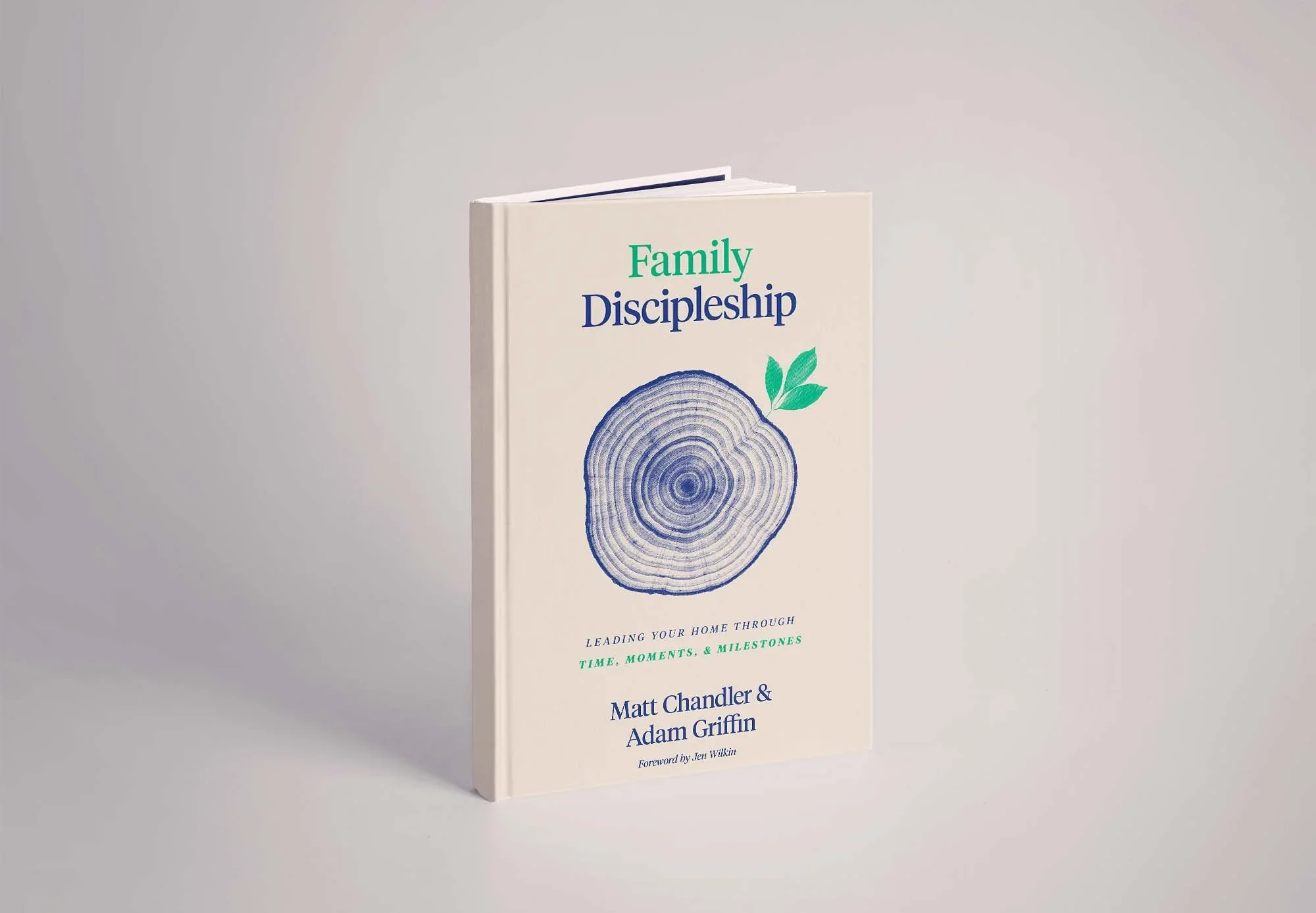
Book Review: Family Discipleship

Comment

Book Review: Family Discipleship

Most Christian parents I know deeply desire that their children grow up knowing and trusting Jesus. I haven’t met any who would disagree that reading the Bible with their kids is a good idea, and yet I talk to many parents who feel like they are struggling in this area. Perhaps we don’t know where to start? Perhaps we’ve tried and it has frequently ended in tears, tantrums, curly questions, or a lack of engagement? Perhaps our lives and heads are so full of work, sport, hobbies and stuff that we’ve let discipling our children slip off the agenda?

Family Discipleship by Matt Chandler and Adam Griffin aims to help you create an achievable, sustainable plan for how to spiritually lead your family. It’s warm, encouraging and full of practical examples and ideas. It helpfully covers family leadership in four categories: Modeling, Time, Moments and Milestones.

Modelling

Modelling is pretty challenging on a personal level. Chandler and Griffin remind us that “for you to lead in the development of spiritual growth in your family, you must personally be spiritually growing yourself”. They point out that children learn from how they see us live in both the good and the ugly parts of our lives. And so, as we live out our walk with God, we need to be investing in spiritual disciplines like prayer and Bible reading, opening our homes and lives to others, seeking to share the gospel, and in particular, demonstrating repentance. They remind us: “Teach your kids that everyone desperately needs forgiveness, including you” as you allow them to join you in “experienc[ing] forgiveness and grace for your sin”.

Time

Time is the regular gathering of your family around the Bible, in prayer, in praise, and in serving God together. It’s the things you put in your schedule every day, week or month. Chandler and Griffin include going to church, and being invested in the church community in this intentionally planned time. They argue that this gospel time is something that must be moved to the top of the priority list, and they provide a long list of ideas of what it could look like. In our family, we added a Monday night all-in Bible time, called “Icecream and Jesus” (and, yes, we do get to eat ice cream too!).

Moments

Moments are all about being prepared to take advantage of “myriad opportunities throughout your everyday life that you can use to communicate the goodness of God and what it means to follow him”. Whilst these conversations may be small, simple and spontaneous, they require us to be relationally available and attentive to the opportunities. The chapter ends with a list of foundational truths, characteristics of God, attributes of godly character and Bible verses that can be applied to various everyday life situations. I’ve definitely started trying to leverage more everyday moments for a gospel conversation, but this is somewhere I could really grow, and I look forward to returning to this chapter for more ideas.

Milestones

Milestones are all about making occasions to celebrate spiritual milestones, and adding spiritual significance to regular celebrations. This concept didn’t immediately resonate with me, probably because my personal preference in celebrating is usually keeping things low-key. However, as I read the chapter I actually became convinced of how simple it is to give spiritual significance to things we are already celebrating. Things like giving a Bible verse in the cards we write, stopping together to thank God for the spiritual growth of each family member on their birthday, marking a baptism anniversary, or teaching your kids about marriage as you celebrate your wedding anniversary. The book has an extensive list of suggestions.

Just as an aside, perhaps you are like me and can be tempted to make children and family into the most important thing in your life, taking the place of God. Perhaps this idolatry is even harder to see in ourselves when what we are throwing our energy into is the spiritual growth of our family. It could be easy to read this book, especially in a season of lockdown, and only apply it in the context of your home and your nuclear family, but I don’t think this is at all the intention of the authors. Chandler and Griffin encourage parents to take the responsibility of raising kids who love Jesus seriously, but expect that we will do this alongside a spiritual family, the church. They remind us “Your first love is Jesus”, and to “remember you are making disciples whose gifts are to serve the Lord, not arranging a family to centre on your kids”.

One thing I really loved about this book is that it does not over-promise. Chandler and Griffin are clear that they are not suggesting that by doing these things you will ensure your children are saved. But instead, they push our eyes back to God and remind us that our children’s salvation “does not, therefore, depend on human desire or effort, but on God’s mercy” (Rom 9:16). It was encouragingly realistic and yet, positive. “No one is pretending the job ahead will be effortless, but do not assume it cannot be fun and life-giving too.”

Before I picked up this book, whilst we were regularly reading the Bible and praying with our kids, I think I was hoping that their growth would happen organically through being part of a Christian family. As I read, I wasn’t overcome with guilt about the things we weren’t doing, but I was encouraged and empowered to see and grab extra opportunities to invest in our kid’s spiritual growth. I would recommend this book to anyone who has biological or spiritual children, whether you are single or married. It will likely have the most practical application to those with children currently living in their households, but still be really helpful to expectant parents, those with adult children and even grandparents.

Comment